Wilting Chili Plants

wilted chilli plant
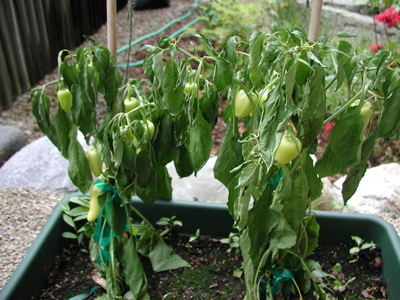
If you notice wilting chili plants, you should pay attention as something is wrong!
Sometimes, chili plants wilt because they’re baking in the hot, hot sun. Another cause of wilting chili plants is the amount of water you are providing them, this can range from too little or too much moisture.wilted chili plants

Why do Chili Plants Wilt?

When we get thirsty, our bodies are letting us know that we need more water. It is a feeling we have. Part of the reason for this is that we have a skeleton structure that keeps us standing straight. Green leafy plants don’t have a similar structure, they use water pressure to keep them standing upright. You can think of the plant leaf as being similar to a garden hose.

With the water turned off, the hose is limp–its wilted. When we turn the water on, the water pressure inside the hose increases and the hose becomes stiff. The stiff hose no longer looks wilted. Plants work exactly the same way. In order for a plant to maintain its normal shape, it needs a certain amount of water pressure inside the leaves.

Water pressure is maintained in the leaves by the roots which are absorbing water from the soil and pumping it up into the leaves. Leaves naturally loose water, especially during photosynthesis. Water is constantly flowing from the roots to the leaves. If roots can’t get enough water, they can’t maintain the correct water pressure in the plant and the leaves drop or wilt.

If the plant is overwatered, fungal wilt is probably to blame. Spotted wilted pepper plants, leaves that are dotted with brown or black spots, yellow marking on the leaves or stem are sigs of fungal wilt.

Damaged Roots During Transplanting

When you move a plant, it will damage some of its precious roots. It is quite normal for such a plant to show wilting right after being moved.
It is quite common for people to water far too much after transplanting chilis in order to try and fix the problem. Too much water does not help the problem. One solution is to move chili plants in spring and fall when the temperatures are lower and plants are not requiring full energy. At these times of the year, water evaporation from leaves is less and you get less wilting.

If you do move a plant in summer, it will wilt much less if it is covered for a week or two so that it receives less sunlight.

How to fix wilting Chili Plants?

Take a careful look at the environment and the soil for clues.
If the weather is hot and the soil is dry, considering covering the chili plant or moving it to an alternate location. Water the soil twice daily ensuring that the soil is moistened and water doesn’t pool. If the soil is already moist watering can make things worse. Do not overwater and considering watering the plant less. Ensure the soil is well-draining.

Prevention is the best cure to avoid wilting chilis. Take precautions to ensure that the disease doesn’t spread or reappear if its fungal wilts from overwater these are soil-borne and can live in the soil for many years. it will take time before planting in the old location is safe again. Choose a new garden location and keep it free of fungus by increasing drainage and only watering when the top 2 inches of soil feel dry to the touch.

How to Grow and Care for Jalapenos

Jalapenos

Jalapeno is a type of hot pepper that comes from the same family of plants as cayenne and cherry. This popular pepper originally comes from a place called Xalapa, in the capital of Velacruz, in Mexico. It is often served stuffed with seafood, and cheese and also used as a spice for tacos in Mexican dishes. Jalapeno has a rating in between 2,500 – 8000 Scoville heat units, which is a medium range of chili intensity. Jalapeno looks like a hard plant to grow but you can actually grow it easily by providing adequate sunlight and water.

Planting and Germinating the Seeds

Firstly, you must decide how many jalapenos plants you want to grow. Then, you can prepare the containers for sowing the seeds accordingly. The container should have holes at the bottom so that the water can drain away when you water it. You can use seedling pots or soda bottle as the container. In each container, you can plant 2 – 3 seeds. The seeds are to be sowed at a depth of 1/4 inch. Not all seeds will sprout so you may want to sow extra seeds.

Jalapenos don’t like cold temperatures so you must wait for the temperature to warm up to 75 – 85 before sowing the seeds. It takes 2 – 3 weeks for jalapenos seeds to sprout. After 3 weeks, you can move each seedling that has sprouted to a 3 inch diameter pot. It is to be placed on a sunny spot indoor, for example, the window sill or under the grow lights.

The potting mix of the sprouted seedlings must be kept moist but not too wet so as to damage the roots. You only need to water the seedlings 1 – 2 times per week to maintain the moisture level. You will have to gradually move the seedlings to a few more bigger pots until it grow a young plant. This should take about 8 – 12 weeks. The final container size will be about 2 gallons. Terra cotta container is the best option for the final container. They offer better result compared to plastic containers.

Transplanting the Young Chili Plant Outside

The young chili plant cannot be moved outside immediately. Instead, you will need to slowly expose it to outdoor conditions to allow it to adapt to the new environment. When it is time to move the plant outside, be sure to plant it in a place that get at least 8 – 10 hours of direct sunlight. The transplanted plants should be about 14 – 16 inches apart to ensure that there is enough air circulation.

Caring for the Jalapeno Plant

The best potting soil for jalapenos is organic, rich in nutrition with good drainage quality. Fertilizer should be added about 1 month after you have transplanted the young plant outdoor. You will want to choose a fertilizer with a NPK of 10-10-10. The addition of fertilizer ensures that the chili plant will receive an adequate amount of nutrition after all the existing nutrients in the soil has been used up. New fertilizer can be added on the third watering. There is no need to add any fertilizer if you are using a high quality potting soil. Diluted fertilizer is easier for the plant to absorb compared to solid fertilizer.

Jalapenos are night shade plants just like tomatoes and potatoes so make sure you don’t plant them close to each other. This is because the pests from your tomato and potato plant can go to the jalapeno plant. Some of the common pests are cutworms, aphids, and flea beetles. You can spray neem oil keep it away from these pests. Additionally, you should hand pick the caterpillar, snails, and worms on your jalapeno plant.

Harvesting the Peppers

It takes at least 90 – 120 days for you to see the first crop of your pepper plant. When the pepper plant is mature, it will grow to 2 – 3 feet tall. You may see 30 – 40 pepper pods hanging from the plant. The pods will grow to 2 – 3 inches long before it is ready for harvesting. If it yield too much peppers, you can use a plant cage as support. You can harvest pods from a jalapeno plant for a few times. You can harvest the jalapenos green or red. Or, you can wait until the full time at the end of 120 days to pick the jalapenos when it is ripened to red color.

Picking the peppers early can force more new blossoms. Green jalapenos are not yet ripened so they have milder taste. When it is red, it will have a medium intensity heat flavor. Some people have also picked jalapenos with a mix of red and green color. They make a nice presentation for their dishes. To harvest, you simply pinch the pepper off the vine gently. You can store the pepper fresh in your refrigerator for up to 2 – 3 weeks.

Gardening Guide on Growing Bell Peppers in Container

Growing Bell Peppers in Container

Bell pepper, also known as Capsicum anuum, is a must have vegetable crop in your garden if you live in a place with warmer climate. Bell peppers have a crispy sweet flavor which makes it a great addition to a variety of dishes. It does not taste hot like its relatives the chili hot peppers because it does not contain the capsaicin compound.

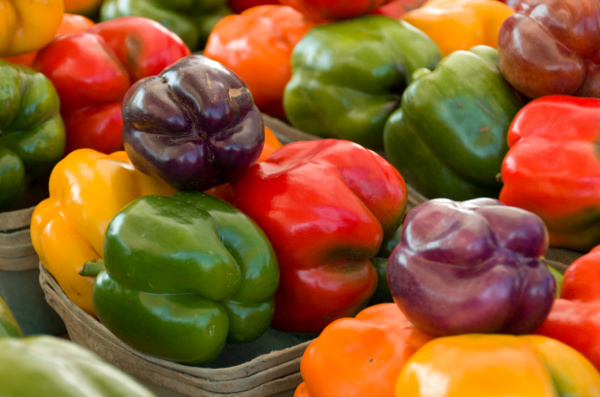
There are several varieties of bell peppers. The green bell pepper is the most common and cheapest in the supermarket. Next to green peppers on the aisle are the red, yellow, and purple peppers. Green pepper are often cheaper because they are picked early. All colors of peppers keep their colors when cooked except the purple peppers which turned to dark muddy color when cooked. You can buy bell pepper seeds at your local nurseries or online from amazon. You should always look for varieties that can ripen fast. Some of the recommended varieties are lady bell, gypsy, orange sun, and Golden California Wonder.

When to Sow Bell Peppers

Bell peppers like cool temperature in between 21 – 25 degrees. It will not grow well if it is too hot or too cold. Therefore, the best time to plant it is a few weeks before Spring in February or in the Fall time in September.

Sowing the Seed

A good pot of seeding mix will consist of cocopeat, vermicompost, and sand. When you plant the seed, make sure you don’t bury it too deep. You only need to bury the seed about 1 cm deep. If the seed is sown too deep, you will not be able to see the leaf when it germinate. The birds always like to eat new seeds that are just sown so you should cover your pot with a polyethylene cloth.

The pot with the newly sown seeds should be exposed to at least 4 hours of sun in order for germination to take place effectively. Bell peppers is like a small tree and it will produce lots of small branches with leaves when mature. So, if you plant in a big pot, you can at most plant only 2 seeds. The seeds should be planted about 6 – 8 inches apart.

Preparing the Soil for Transplanting Bell Peppers


Bell pepper likes loamy soil that is well drained. You can make the soil well drained by lining it with porous landscape fabric or plastic. If you use plastic, makes sure to punch holes on the locations where the drainage holes are. The soil should not be too wet and muddy or else the root will become rotten. It also should not be too dry until it show cracked lines as it will result in blossoms drop.

Prior to transplanting, you can add aged compost into the soil. The aged compost will work as fertilizer and as mulch to assist in the retaining of the water. It is recommended to continue adding other fertilizers for maintaining the bell pepper plant. For example, you can add compost tea or fish emulsion solution every 10 days or so.

High nitrogen fertilizer can prevent the plant from bearing fruits so it should be avoided. Many people also like to add plastic mulch to increase the yields. On the other hand, organic compost mulch can lower the amount of weeds and reduce the need for watering. Organic compost mulch does not help in any way in the fruit yield.

Caring for the Young Bell Pepper Plants

After the young plants are successfully transplanted, you must keep watch for weeds that will spring up every now and then in the planting beds. In addition, you should also don’t forget to water 1 – 2 inches of water every week. You need to keep in mind that pepper is a heat sensitive plant which means you must water daily if you live in an area with warm climate. You can apply a solution that consists of a mixture of detergent and water on your pepper plant to keep away the aphids and whiteflies. It is important to keep the bell pepper plant in a place with the suitable temperature otherwise it will not bear fruits.

Harvesting and Storage

Usually, it takes around 2 months for the bell pepper plant to grow to full size. It is best to harvest the peppers when it has changed to the color you want. For example, if you want to use green pepper in your cooking, then you can pluck it when it is green. However, if you want to use yellow pepper, you should ideally wait until it has changed to yellow color. It will also work if you pluck it green and then keep in place that has sunlight so that it can change to red and then yellow. However, it will not taste as sweet as when you pluck it in yellow color from the plant.

You can store bell peppers in plastic bags in the refrigerator for up to 1 – 2 weeks. You can also store peppers in dried forms. To dry the peppers, you must first remove the seeds and then cut into strips. The strips are to be spread out on a baking sheet and baked for 10 minutes in the oven. After that, you can remove the peppers from the oven and let it cool down. Once cooled, you can put the pepper in bags and store them in the refrigerator.


Check out our great range of chili seeds and products!!

How to Grow Bell Peppers with Mild Flavor

bell peppers

Sweet bell pepper enriched with vitamin C and vitamin A is an ingredient that you don’t want to miss in your cooking. The fruit with a smooth skin, crunchy flesh and white membrane can give a delicious mild flavor. Bell pepper is not difficult to grow. Many people have successfully grown it inbell peppers their backyard whether in garden soil or in container gardening.

Sowing Bell Peppers

The right way of sowing bell pepper seeds is to start them indoor instead of directly sowing them into the ground outside. You can start the germination of the seeds about 5 – 8 weeks before the last frost. You are to fill a seedling tray with well drained potting mix. The seeds are sown at about 1/4 depth in the soil. Soil should be kept moist with a temperature around 70 – 80 degrees Fahrenheit. If the temperature is not hot enough, you can put heating mat under the seedling tray or near the window.

After it sprout, you must watch for the first true leaves to emerge. The cotyledons, the seed leaves, which appear before the first true leaves are to be vibrant and green. If it is yellow, it means that it is not getting enough nitrogen. You can add fertilizers like fish emulsion and kelp mixture into the seedling potting mix to ensure that it grow the true leaves successfully.

Selecting a Plot in Your Garden

 You can first plot the area in your garden where you want to transplant the young bell pepper plants. Ideally, the site you choose should not have been grown with tomatoes or potatoes as they share the same pests with bell peppers. The soil on the site should be well drained and heavy as well as rich in all the essential nutrients including phosphorus, potassium, and calcium. You can aim for a pH around 6.5.

Transplanting

 You can transplant the young bell pepper plant into the garden plot after it has developed 1 – 2 true leaves. To allow the plants to adapt to the new environment, you may want to slowly expose the young plants to the sun by placing the pots outside for a short period of time daily.

When it is time to transplant the peppers, first check and see if the temperature has already reached 60 degrees with no danger of frost. The transplanting day should be a cloudy day with some sun. You are to plant the pepper plants at a distance of about 12 – 20 inches apart.

You can stake or cage the plant if there are lots of wind and you are afraid that they break the stem.

Bell pepper plants usually need a consistent addition of nitrogen on the soil until it successfully develop the fruits. For this reason, you may want to add nitrogen fertilizer into the soil. You will want to be careful not to add too much nitrogen as it can reduce the fruit and increase the leaves growth.

Watering

 You only need to water at least 1 inch of water every week. If the weather is hot, you can add mulch to help retain the moisture. Early blossoms can be pinched off to help direct the energy of the plant so that you get a heavy harvest afterwards. If you keep your bell pepper plant fed and water well, it will have lower chances of developing diseases.

Dealing with Bell Pepper Pests

Bell pepper plants get attacked by different types of pests including cut worms, corn earworms, caterpillars and weevils. To avoid pest infestation, you should avoid using water soluble fertilizer that contains a high level of nitrogen. Using this type of fertilizer can cause the plant to become soft and easier for the insect pests to penetrate.

Whenever you spot weeds, be sure to pull them out. Weeds are habitats to insect pests. You can apply pesticides to prevent the pests population from infesting your plant up to a damaging level. The pesticides should be applied thoroughly including underneath the leaves. If there is too much damage, you will have to discard away the pest infested plant.

Harvest and Storage

A well grown bell pepper plant will produce 5 – 10 large fruits. Bell pepper can be harvested when it is green or purple color. If you want sweeter flavor, you can wait until it ripens to red or yellow or orange. The sweetness and vitamin C will increase as the color changes. Picking the fruits when they are green will encourage more new blossoms and fruits to develop. If the fruit set after late August, it usually will not ripen.

When harvesting the peppers, remember to use hand pruners or small knife to avoid damaging the plant. This is because it can still continue to yield more fruits for you in the next few years. You can keep the fruits in a humid place with a temperature range in between 68 – 77 Fahrenheit degrees in the event that they are picked early because of the cold season. They will change color but they will not grow sweeter. Refrigerating bell peppers can help to retain the firmness and flavor for 3 – 5 weeks.


Check out our great range of chili seeds and products!!

How to Grow Chilies Indoors with LED Grow Lights

Grow Chilies Indoors

Many people like to have some organic chilies to add to their cooking.Grow Chilies Indoors

However, lets face it, you can’t keep spending money on organic chilies as they are expensive.

Growing chilies yourself means you will be able to save a lot of money. The problem is that there is the lack of sunlight in North America and parts of Europe and chillies require a lot of sunlight to grow healthily.

The good news is that you can overcome the problem and grow chilies indoors under LED grow lights.


Temperature

Chili needs a hot temperature around 80F – 90F plus in day time and  at least 70F at night. It has to get at least 6 hours of sun to grow healthily.

The 6 hours of sunlight is equal to 16 hours of LED lights. So, if you have limited space, LED grow light is the best option. You can put it near to the plant without burning the leaves. It is cooler because it releases lesser infrared radiation and uses lesser watts.

LED grow light is a long lasting investment as it can last for up to 50,000 hours which is equivalent to 10 years of use. It offers longer lifespan compared to HID lights which can last in between 10,000 – 18,000 hours.

With LED grow lights, you can expect to save up to 50%-60% of energy. Best of all, it is safe to use and environmentally friendly. It does not contain any mercury, lead or gas.

It doesn’t have any fragile glass bulb and will not shatter like glass.


Varieties

The most common chili varieties that are grown indoor are chiltepins, habaneros and other small varieties.

Small chili varieties have long growing season. This means they take longer time to flower and bear crops. The plant will grow up to a height of 6 – 12 inches. In harvest time, you can easily notice the chili crops from among the leaves.

Chili plant can also make a nice decorative ornament for the house apart from tasting spicy in the mouth.


How Many LED Lights to Install

The amount of LED lights you use depends on your chili grow space. Ideally, you should install 32 watts LED lights for per square foot.

So, if you have 6 square foot of grow space, you should install around 200 watts of LED lights. You can buy a LED light block designated for a specific amount of grow space for convenience.

Because chili comes from places with long hours of sunlight, you will need to let the grow light turn on for many hours at least 12 – 16 hours per day. You can get programmable LED grow lights to help you achieve this.

Programmable lights allows you to schedule the light to turn on and off at a specific time. If it doesn’t have any schedule control, you will have to remember to manually turn on the light every day to ensure you reap a heavy harvest of chili crop.


What Colors of LED Lights to Choose

LED lighting is usually installed in small blocks in the indoor growing spaces.

They come in a variety of colors including red, blue, white, green, indigo, and yellow. Red and blue LED lights are the most important lights. Red light which imitate the heat of the sun enhances stem growth, flowering and fruit.

Blue light is necessary for artificial photosynthesis, and development of strong roots. Green light is not that important and you can exclude it in your LED lighting installment if you want.

You have the option of buying a full cycle LED light or only install a specific color of LED light for enhancing the development of certain aspects.

Many chili growers recommend the use of LSR 865 with a light color of 6500 Kelvin.


How to Set Up an Indoor Growing Area

Firstly, you will need to look for a vacant space where you can use as a growing area. It can be a shelf that you are not using, or the basement or garage.

First, you germinate the seeds in a pot on the window sill. When the seeds sprouts, you can move them to the grow light area. As the chili plan grow bigger, you will have to transplant them to bigger pots. Usually, you only need a pot that is 10 – 12 inches in size for transplantation.

Bigger varieties may need pots that are 16 – 18 inches in size.

You will have to keep watering the chilies plants. Lesser watering is needed as the plants grow bigger.

It takes about 60 – 150 days for the peppers to mature before they start to produce crops. On the seed packet, you can find information on how long the chili plant take to mature.

This refer to the time it takes the plant to mature after it has been transplanted to a pot. It takes about 8 – 10 weeks for a seedling to grow into a plant that is suitable for transplanting.

You can harvest the chili green, orange or red as you like.

There you have it, now get out there and grow chilies indoors.

How You Can Grow Your Own Bell Peppers in Pots

bell peppers in pots

It is really nice if you can harvest your own bell peppers in the backyard.bell peppers in pots

Peppers are not cheap and being able to grow your own means you can cut down your grocery expenses.

If you don’t have spaces, you can choose to grow the peppers in containers.

It will still thrive and produce an abundant of crop as long as you meet the right growing condition.


Germination

The seeds of the bell pepper should be planted 6 – 10 weeks before the last spring frost.

You will want to use a premium seed mix instead of the soil from your garden as it can drain more thoroughly.

Quality potting mix can hold moisture and provide proper aeration for the plant. Organic seed mix contains all the necessary nutrients that are required for the plant.

The seeds are to be sown about 1/2 inch depth in the soil. You can sow the seeds in seedling tray with two seeds in each cup.

The peppers will take 2 – 3 weeks to germinate. After 2 – 3 weeks, you can move them to small pots with each seedling occupying one pot. The seedling that has been sprouted should be moved to bigger size pots with the final pot being 10 – 12 inches in size.

The pots you use need to have well draining quality.


Transplanting the Pepper

It is time to move the pepper outdoor when you see at least 1 – 2 true leaves. The ideal temperature for growing pepper plant is 65 – 80 degrees Fahrenheit in the daytime.

The blossoms will drop if the temperature is higher than 85 degrees Fahrenheit. This condition called blossom end rot can be fixed by adding calcium granules to the soil.

The young plant is to be transplanted to a container that is filled with well draining potting and have a pH between 5.5 – 6.8. You can add 5 – 10 grams of neem cake to protect your pepper plant from blight disease.

The container where you plant the young bell pepper plant should be placed in an area that gets ample sunlight and sheltered from the strong winds.

Pepper plant can be quite big when it is mature so you will want to prepare a big pot that is at least 12 inches in diameter. It should get at least 6 hours of full sun in the day time.

Plastic or metal pot is preferred because it grows in consistently moist soil. At first, the young pepper plant will look small when transplanted to the large plant. However, it will eventually fill the large container as it mature to an adult plant.

Watering the Plant

It is important to regularly water the pepper plant to keep the soil moist. The frequency of watering will depend on the weather. Tipping the pot slightly allows you to know whether it needs more watering.

Light pot means that the soil has dried out and need watering. To prevent fungal infection, you should water at the foot of the plant and not over the plant.


When to Add Fertilizer

Imbalanced soil can cause the plants to be weak. This is why you need to improve the soil by adding different types of fertilizers. Nitrogen rich fertilizer can encourage the growth of foliage.

Tomato fertilizer, compost, and mature tea can also be used. Adding Epsom salt can help to improve the yield of your pepper plant. It is recommended that you add new fertilizer every 2 weeks or so.


Controlling the Pests

Aphids is the number one pest of bell pepper plants. Plants that have been attacked by aphids will appear stringy and weak. If you see aphids, you can use a water hose to spray them off.

You will need to continue this for a few days until the aphids don’t come back to the plant.

Another way to control aphid is to use ladybug. Ladybug can lay eggs which will hatch into larvae that devour the aphids. You can get ladybug eggs from your local nursery.

Organic pesticide can also be used to kill caterpillars that are spoiling your pepper plant.


Harvesting Bell Peppers

During harvesting, you can use a knife to cut off the fruit from the stem. There should be a bit of stem attach to the pepper plant after you cut the fruit.

When unripe, picking the pepper fruit by hand may cause the whole branch to be torn off. Unripe peppers are green color. From green color, it can change to red color and then to orange color and finally to yellow color.

You can pick the green peppers as they are safe to eat. Purple bell peppers varieties can change color to dark purple and finally to muddy black color when fully ripened.

When the pepper is fully ripened, it is easy to pluck with the hand in a gentle twist.

Expert Guide to Growing Chillies

Growing Chillies

Growing chillies is a very rewarding process, but often it’s the simplest things that get in the way of a great chili harvest, follow the advice below, andGrowing Chillies with a little care and attention you could be enjoying juicy, great tasting chillies in no time.


Germinating your chili seeds

Many of us struggle with germinating chili seeds and getting them out of the ground!

First of all, make sure that you select a good compost or seed mix, and gently work out any hard lumps from the soil.

Then place your chili seeds on top of the soil, planting them roughly 1-2 inches apart if planting multiple chili seeds. Then loosely sprinkle some soil over the seeds, but do not compact.

There are 2 main points that you will need to keep in mind to maximise your chances of germination.

The first one is moisture – you can soak your pot(s) from the bottom using a tray filled with water the first time you water them to saturate the soil and activate your chili seeds.

For maintaining the moisture in the soil it is best to use a fine mist plant sprayer to water from the top. Aim to keep the soil moist but not soggy as this may cause your seeds to rot before them come up – just use your finger to test the surface of the soil.

Watering your seed trays or pots with a plant sprayer causes less disturbance to your germinating seeds.

The second important point to note is temperature. Chili seeds require a constant temperature range of between 27-32 degrees C (80-90 degrees F).

This is easily achieved using a heated propagator, however an airing cupboard works extremely well for this purpose also.

Remember to keep checking your pots to see if any seedlings have emerged, as you will then need to move them to a well lit area such as a sunny window sill, otherwise you will end up with thin and wispy plants.


Re-potting your chili plants into larger pots

When your seedlings get 3 sets of leaves and are strong enough to handle, now is the time to pot them on into a bigger pot. Chillies need to be potted on as they grow, otherwise their growth will slow and you may well miss the fruiting season because of this.

Be careful not to damage the delicate roots when moving your seedlings and make sure you take as much soil as you can from the original pot to protect the root ball.

When potting on your chili plant seedlings, it is better to increase the pot size gradually to allow the plant to adapt to the increased space and grow strong roots.

A good way to tell if your chili plant needs replanting into a larger pot is by checking the drainage holes on the bottom of your pot – if you can see any root tips emerging from these holes, then now is a good time to transplant to a bigger pot.

In addition, if your chili plant suddenly droops for no reason and it has enough water, then this could also be a sign that it requires more space.

You can also plant your chili plant outdoors once the danger of last frost has gone, although chili plants usually grow quicker in warmer areas such as a sunny window sill or greenhouse.


When to water your chili plants and how much

Often overlooked is the importance of watering. One of the most common situations is over-watering. Chili plants like their soil to dry out before watering them again – they don’t like wet feet!

You can tell if your chili plant needs water by its leaves – if they are drooping, give it a drink. The best way is to use your finger to test the top of the soil.

Again, moist but not soggy is the goal here and if your plant looks well, then it probably is.

What to do when your chili plant flowers

Once your chili plant starts to produce flowers, you are doing well! Soon you will be enjoying the fruits of your labour, but now is a good time to highlight the importance of plant nutrition.

A lot is going when your chili plant is in the flowering and fruiting stage and you will need to make sure that your plant has the correct nutrients it requires in order to produce big juicy chillies.

You can feed your chili plant with a general tomato fertiliser as chili and tomato plants are very similar, however it is much better to feed your chili plants with a special chili fertiliser, as they do have specific nutritional requirements – Chili Focus fertiliser produces very tasty and juicy chillies and is organic based.

Remember to feed your chili plant twice a week when it is fruiting and once a week at all other times to make sure it has all the nutrients it needs throughout the different stages of growth. This also makes your plants strong when it comes to “overwinter” them for next season.


Pollinating the flowers on your chili plant

Unless your plants are outside where they are naturally pollinated by insects and the wind, then you will need to pollinate the flowers yourself as they open on your plant.

You can do this with a small soft brush by gently dusting each flower. You will then notice over the next week or so that the flowers start to fall off and the fruits will begin to grow.

Chili plants can also easily cross-pollinate with one another by insects or by air if the plants are close to each other, so if you are growing several different varieties, you may want to keep them apart as you will probably end up with some hybrids chillies.

Finally, make sure your plant gets lots of sunlight during this period and you will have some great tasting chillies at the end of the season!


Overwintering your chili plants for next season’s crop

A common misconception is that chillies are annuals, but they can and will come back year after year, producing more and more chillies each season.

Overwintering, as it is called, is the process of making sure your plant is ready to “sleep” for the winter. Feeding your plant well throughout the year can help make it’s roots and stem strong enough for the cold months ahead.

With a little care, a properly over-wintered chili plant can bring a larger harvest, which will also arrive a little earlier in the season compared to growing from seed again.

This is because when your plant “wakes up” in the spring, it already has an established root ball, so has a head start in the growing cycle.

The first thing to do when overwintering your chili plants is to pick all of the chillies from the plant when the growing season is over – this tells the plant to produce more in future.

Next you can prune back the plant to approximately 1/3 of its original height. This may sound harsh, but it allows the plant to conserve its energy for the next growing season by not having to maintain all that extra foliage, a bit like when you prune back a rose.

You will also need to keep your plants somewhere with a warm average temperature, where it doesn’t get too chilly in the night.

Remember that you plant will also require a lot less water while it is dormant – once every 2 weeks is enough. Again, you can use your finger to test this.

Your plant will slow its growth as it goes into hibernation, so don’t worry if you don’t see any new shoots for a while.

Come spring time, give it a few weeks and your plant will start to shoot and burst into life, read for the new years growing season with more chillies than you ever imagined!

So, what are you waiting for, plant your chili seeds now and soon you could be enjoying plentiful fresh chillies that you can cook and entertain with.

Bell Peppers – Growing and Uses

Bell Peppers

Growing Bell Peppers in your kitchen garden

If you are passionate about growing chillies, then you would be definitely aware of the fact that it is indeed a very challenging process, demanding a

Growing Bell Peppers

chunk of your time, patience and effort. Nevertheless, at the end, it is also a very rewarding one. Nurturing chilli plants is an extremely delicate process. Certainly, you need to bring it up with care, attention and details. You would find the process to be simple with no iota of complications.

About bell peppers

Bell peppers are tender crops especially grown in warm seasons. So, once you crave for the sweet, spicy and hot touch to your meals, think of growing bell peppers. They come in a range of sizes, shapes and colours. To grow this seed, you have to start your garden for summer. Once you grow them in summers, you can freeze them throughout the winter to add them to soups and sizzlers.

Bell peppers are usually red, green orange and yellow. However, you can also try growing the rarely coloured ones like white, brown, dark purple, lavender, etc. They are most versatile veggies making place in your kitchen and garden, no matter where you are in the world.

Also known as sweet pepper, capsicum or pepper in various corners of the world, bell pepper is a cultivator group of Capsicum annuum species. Besides being a veggie, it is a botanical fruit that has a plethora of culinary and health benefits.

Germinating your chilli seeds

Let’s look into how you can grow bell peppers, a common and spicy chili variety.

  1. You can start seeding it indoors almost 10 weeks prior to previous spring frost date.
  2. For germination, maintain temperature of 70 degrees F and keep in warm place for quicker and better results.
  3. Start with 3 seeds to one pot and thin out the most fragile seedling. Meanwhile, the remaining two will grow as single plant.
  4. Commence hardening off almost 10 days prior to transplanting.
  5. Introduce aged compost and fertiliser to the soil a week ahead of transplanting.
  6. Now, transplant the seeds outdoors with 24 inches in between.
  7. Maintain 65 degrees F within the soil
  8. Carefully place match sticks (2-3) in the hole with the plants along with spoonful of fertilisers.
  9. Drain the soil well and maintain sufficient moisture.
  10. Fertilise following the initial fruit set.
  11. Weed carefully.
  12. Water two inches every week, depending on your regional climate.

Uses of bell pepper

You can spice up your daily and boring meals with such bell peppers grown in your garden. More so, they also add perky crunch and zest to pizzas, wraps, tacos, etc. When roasted, they taste peppy. So, are you already craving to have them? Well, then it’s time to grow them in your garden. Here are some amazing uses of bell pepper.

Bell peppers are known to contain ample of vitamin C that fortifies your immunity and brings glow to your skin. You would find concentration of vitamin C in red bells. They are known to be low in calories and hence bring good news to the health conscious ones. No wonder, it is a great addition to the platter of obese. On gulping down a full cup of bells, you will gain just 45calories.
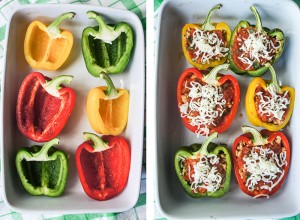
stuffed bell peppersRed bell peppers are a jackpot of carotenoids and phytochemicals. The beta-carotene can furnish you with anti-inflammatory benefits and antioxidants. The sulphur content protects certain kinds of cancer. These chillies also contain enzymes like lutein that works wonder in protecting macular degeneration and cataracts.

They are rich in vitamin B6 that lavishes you with a healthy nervous system and renewed cells. The capsaicin content in bell peppers can reduce diabetes, bad cholesterol, inflammation and pain. Bell peppers make great salads and addition to casseroles and soups. Also, they can be grilled, stuffed and placed on sandwiches for crunchy snacks.

Pop some bright coloured bell peppers into your veggie basket and start reaping the amazing benefits.
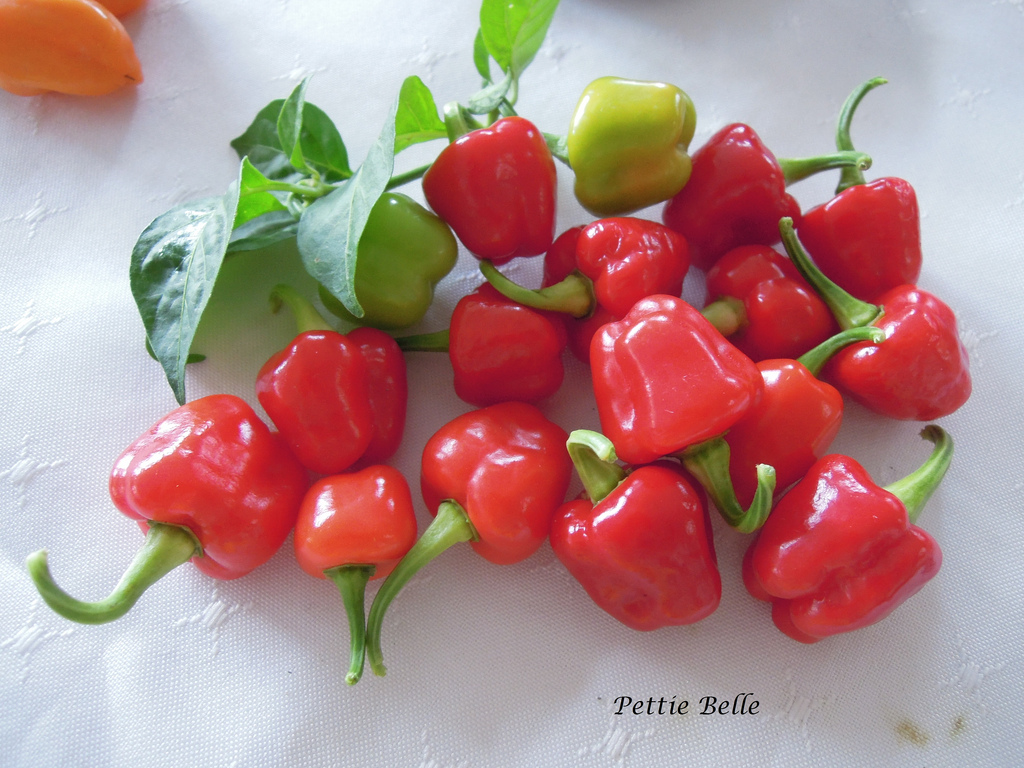
Growing Pettie Belle Chillies

Pettie Belle Chili

Pettie Belle chillies, as it is called in Africa or Bell Pepper in various other parts of the world, is a necessary addition to various types of cuisine is across the world. It is a great addition to any kind of sauces, main courses as well as salads.

Pettie Belle Chili

There are various types of new varieties that can be found from the various types of seeds and nurseries, which can include mini-bells and colored bells that you might be hard pressed to find in your grocery store. Even the farmers market would not help you to find such wonderful bell peppers.

However, you can easily grow such papers in your backyard, particularly in very little space. For example, you could grow them in your small container, and start harvesting them in order to create the best Pepper for your meals.

Pettie Belle Chili Cultivation

In case you would like to grow bell pepper of an exotic variety like the Pettie Belle, you have to secure the seed from nurseries of your choice. If it is late winter, then start the seeds indoors. You should choose an area that contains plenty of light and warmth, or you could set up halogen lights and add a heat mat under the seeding tray so as to create a small greenhouse.

You can then choose a large pea pot, or large coir which can be planted directly into the ground. The peppers can then be transplanted from the pots made out of plastic to that secure location without having the roots disturbed.

After that, fill up your pot with good and lose potting soil. Plant your seeds according to the depth recommended in the Internet or given in the plastic packet containing the seeds. Always keep the soil moist, but not filled with water.

After the seedlings emerge, always make sure that you can turn them regularly, do not allow the plant to get bent; keep changing the direction of the light.

When the time comes for you to plant the pepper outdoors, always make sure that you take them outside for an hour or so in order to harden them. After a few days, keep increasing the time of keeping the plant outside in the sun, until you feel that the plant has been acclimatized, and there is no chance of any sunburn happening to the plant.

Pettie Belle ChilisMake sure that the place is watered uniformly, do not allow the soil to dry out, and make sure that there is no sitting water. If the soil is excessively dry, particularly in the hot and windy days, then there would be no fruits, and the flowers will not bloom.

After the first batch of flower blooms, release some fertilizer. This will help you to get the best possible outcome from the Pettie Belle plant.

Anatomy of a Chili Pepper

Growing Chillies

Chili is derived from the term chil given by the Arawak Indians who were the ones that first cultivated it. When Columbus first discovered the chili, he brought it back to Spain where they add the ‘e’ to it. Chili is the oldest spice in the world with archaeological specimens being found that dated to as far back to 7,000 B.C. in New Mexico.

Chili Pepper

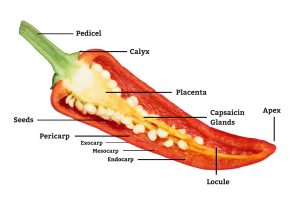
Today, there are many variety of chili peppers including color, degree of spiciness, and shapes. Chili not only add spiciness to the food but it is also rich in antioxidant and rich in vitamin A and C. The anatomy of a chili pepper is comprises of many parts including peduncle, calyx, capsaicin glands, placenta, exocarp, mesocarp, endocarp, seed and apex.

Peduncle is the short branch on top of the pepper that remains when you harvest it from the plant.

Calyx is the green crown on top of the fruit where the penduncle is attach to. It is the remnant of the flower that has already transformed into the fruit. Preserving the calyx can keep the fruit fresher for a longer time.

Capsaicin glands is the central seed stem inside of the pepper that is joined to the placenta near the top. It is located in between the placenta and endocarp. Many people wrongly presumed that the seeds are responsible for producing the capsaicin glands.

Placenta is the round part on top where the seeds are attached to.

Exocarp is the outermost layer of the pepper which comprises the skin.

Mesocarp is the fleshy part under the skin of the pepper which is also called exocarp.

Endocarp is the inner membrane layer that surrounds the seeds.

The seed inside the pepper has low level of moisture but a high level of lecithin. Chili pepper seeds are edible. However, most people will prefer to discard the seeds as they are hard to chew and do not add any spicy flavor to the cooking.

The seeds are hot but they are not the hottest part. The white pith or rib that hold the seeds and the part that connect to the shoulder are believed to be the hottest part. The white pith is about 100 times hotter that the pepper flesh.

Apex is the bottom tip of the pepper fruit. The apex and peduncle are two areas that have the least capsaicin so biting these areas first will be less hotter.

When preparing chili pepper, you may want to wear a pair of glove to prevent the capsaicin oil from coming in contact to your skin. The capsaicin oil in the pepper can burn your skin and cause blistering.

If your skin get burned, you can apply some white vinegar to sooth it. Skin burn can occur especially when you are preparing a pepper with high Scoville scale such as Habanero.