Troubleshooting: Pepper Plant Problems & How To Fix Them

Pepper Plant Problems

Pepper plant problems are common and they can really scupper your growing efforts.Pepper Plant Problems

Once you get your pepper plants in the ground or a pot, as long as they have sun and water they usually do OK. However, as with all plants, sometimes there are issues.

The good news is, that there are actually as many common fixes as there are common pepper plant problems.

There are lots of ways that you can rescue your pepper plant from completely going over the rainbow bridge.

To help you fix a multitude of pepper plant problems, here’s a lowdown of the most common issues and how to fix them:


Underwatering

Underwatering is usually noticeable by the chilli plant having very droopy leaves that may appear lacklustre. Chronic dehydration in chilli plants can lead to reduced crop quality and yield.

It happens mostly when the days are long and hot, which can be surprising because chilli plants love direct sun. Every plant has its limits though, and sometimes more watering is needed for the plant to keep itself cool and properly hydrate itself.

The best way to avoid common pepper plant problems like underwatering is to never let your chilli plants dry out until the soil is so dry, there is a gap between the substrate and the pot.

You should also water at sunrise, or early morning and dusk which avoids the water getting evaporated before the plant has had a chance to absorb it.

If the plant is showing very droopy leaves midday, water it right near the plant stem and that should help it recover.

If dehydration continues to be a problem you need to create shade for the plant, water it with more water, or water it more often overall.


Overwatering

Overwatering chilli plants presents by it having yellow, floppy leaves. This is usually too much water being given to the plant, and not enough ability for the water to drain away.

To prevent pepper plant problems like this happening when the plant is exposed to lots of natural watering from the rain, provide more aerated soil and better drainage overall.

You should also do this so that there is no salt and water build up from your watering.

It is also important to allow the soil to properly dry out and then continue with a watering regime that allows the soil to be dry for the first few inches before watering each time.


Slugs and Snails

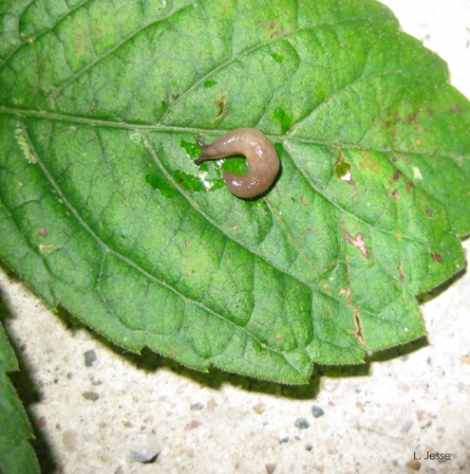
Slugs and snails love a juicy pepper plant and they will get through succulent little pepper shoots at speed if they are not controlled.

When controlling these little critters it is important not to use slug pellets or similar toxic products because they are very bad for the environment.

A slug can eat one, pass away and then get eaten by a garden bird which is eaten by a bird of prey which will die from exposure to the product.

The same chain of issues occurs in all kinds of different ways, as well as family pets getting poisoned by these nasty garden products.

Instead, avoid pepper plant problems like slugs by using more organic methods of slug control such as:

  • Barriers
  • Beer traps
  • Shell pot topper (crush any shells to make a sharp soil topper)
  • Cinnamon
  • Increase garden biodiversity for natural predators


Hornworm

Hornworm caterpillars will present themselves in pepper plants by munching holes in the leaves often from the outside in. These caterpillars can simply be moved off to a more suitable plant that they feed on.


Scalding From The Sun

Scalding from the sun shows up in chilli plants by giving them white leaves that are also a bit droopy. This happens most often when you put a new pepper plant that has been growing in the shade, into a sunny spot.

This can be lethal for the plant if it is very young which is why it is important to prevent this happening. It also happens to pepper plants that have been protected over winter.

To prevent pepper plant problems like scalding happening it is important to gradually introduce the pepper to the new conditions it will be living in, which should stop this scalding occurring.

Simply putting the pots in the sunshine for more and more time everyday until transplanting should help the transition run smoothly.


Calcium Deficiency

The pepper plant will get leaves that are very wrinkly and lacklustre if it gets a calcium deficiency. You can easily rectify this by slowly adding more calcium to the soil.

Clam, oyster or egg shells are cheap and easy ways to do this. You can also work lime, wood ash, calcium nitrate or bone meal into the soil, depending on what you have.

If it is provided in the right amounts then the plant should look better in about a week or so.


Aphids

You can easily see aphids as they are quite large and obvious walking around the underside of the leaves of the chilli plant. They slowly kill the plant by sucking fluid out of it which is why the leaves start to curl or die off with a big infestation.

This is unlikely to be one of the common pepper plant problems you see with pepper plants outside because ladybirds and other bugs will take care of the issue for you.

Indoors though, in the house or a greenhouse, there are no natural predators so if you don’t spot the issue the plants will eventually die.

Even worse, the aphids can also give other plants diseases such as mosaic virus, which is very bad news.

To prevent common pepper plant problems such as plants getting aphid infestations, you need to make them as healthy as possible as a first port of call. Try to make sure the plants you put indoors over winter are properly pruned, are not stressed and properly watered.

A little insecticide wouldn’t go amiss a few days before moving them indoors too. If you do get an infestation, quarantine affected plants and then spray the aphids off before adding more insecticide.

You can try some of the homemade insecticides here and here but do research the use of different products on pepper plants so you feel comfortable with how they work, and any precautions that need to be taken.


Mosaic Virus

Mosaic virus was discovered in the 1800’s and can infect over 350 plant species. It presents in pepper plants by giving them yellow splodges and wrinkly leaves that are not quite crispy, but not soft like a leaf usually is.

This disease stunts the growth of the plants and affects the fruit they produce. If your plant has mosaic virus you need to get rid of it and any surrounding weeds or plants, ensuring that those plants are not composted.

You will also need to dispose of the soil as the virus can live in the soil for over a year. Once that is done, disinfect your pots and tools before using them for other plants, as shown in this video.

Lastly, the virus can be transmitted through your hands and clothes too. Whilst dealing with mosaic virus plants you need to avoid touching any other plants. You should also wash your clothes before wearing them again for gardening.


You’re Ready To Battle All Of The Pepper Plant Problems

The fact is that every plant has its problems and pepper plants are no different.

Most pepper plant problems do have multiple solutions though and if they don’t, there’s a lesson learnt to boost future pepper growing plans. A mistake made I the garden is never a wasted experience.

Hopefully, with more practice, trials and tribulations you will be able to grow healthy, strong pepper plants next season for lots of yummy, sumptuous fruits to use in your family kitchen day after day.

Pickling Chilli: What, Why & How

pickling chilli

If you’re topping up your storage cupboard, or you simply fancy a fun and wholesome afternoon kitchen activity, you’ve come to the right place.pickling chilli

We’ve got all you need to know about pickling chilli like a pro for perfectly preserved spicy treats made to last.

In this article we will look at what pickled chillies are, why you should pickle them and how to get the job done.

By the end, you’ll be ready to get your spicy glut pickled up and ready for using in all kinds of yummy recipes.

Here’s everything you need to know about pickling chilli:


What?

You may have heard about pickled items like gherkins and cucumbers, which account for nearly 60 thousand metric tons of vegetable production coming out of Canada alone.

What you may not have heard of is pickled chillies, which are not as common, but they are just as tasty!

A pickled chilli can be any chilli that is put into a sterilised container with vinegar (different types are used) and then sometimes spices and seasonings are added.

They can be pickled roughly chopped, sliced or whole depending on your preference and the size of the chilli/ receptacle.


Why?

Why try pickling chilli when you can buy pickled chilli?

Firstly, you can save money. If you like to have a larder full of tasty preserves and pickled foods, pickling chilli makes sense.

Globally, the sales of naturally healthy food and drink is worth nearly $260 billion USD, but you can save those dollars for yourself! At least with pickling chilli, which you can do yourself easily.

Secondly, it makes the most of your chilli harvests. We have been pickling our veg pals for 4,000 years to avoid food wastage and to build stocks between harvests. If you grow your own chillies or you get a few at a great price, pickling them stretches out the time that you have to enjoy those hot, spicy, tasty treats.

Another great reason to pickle chillies is for the health benefits. Pickled vegetables lose some nutrition when they are preserved, but they gain really helpful bacteria that boost gut health.

Chillies themselves are also healthful, and although they lose some nutrition when they are pickled, they don’t lose all of it. They contain vitamin C, B6, K1, potassium, copper and vitamin A as well as bioactive plant compounds and antioxidants.

All the benefits above give you an extra bonus of creating great preserves for yourself and to give as gifts to friends and family.

Pickled chilli look great, have a great shelf life and they give your loved one tons of healthy benefits too.


How?

Pickling chillies is really easy and best done if you have a glut of homegrown chillies, or you’ve been lucky enough to have been given a big batch.

To prepare pickle chillies, you should give them a good wash, and you can then either leave them whole or slice them.

Unless you tend to serve them up whole, usually it’s best to slice them and pickle them so they’re ready for use right out of the jar. They can be used in all kinds of yummy dishes like pasta arrabiata, chilli, guacamole and pizza.


Instructions –


Sterilising

We’ll give you instructions for the yummy pickling mixture below. First, here’s how to ensure that you keep the results nice and sterile. This process is essential to stop bacteria being introduced to the pickled chillies, which will then lead them to degrade and deteriorate.

By sterilising them you protect the items inside until you’re ready to open the jar and get stuck in to your tasty spicy treats.

To sterilise you need to:

  • Wash the jars in hot soapy water, rinse them and then leave them to dry naturally on a clean surface
  • Put the jars in the oven at about 175 degrees c for 15 minutes
  • Place your hot pickling mixture into a receptacle that is very easy to pour without spillage, like a spouted kitchen jug
  • Fill the jars leaving around ¼ an inch at the top taking care not to get any mixture on the rim
  • Do not allow the mixture to cool, and instead put the lids onto the jars (with a wax paper seal if preferred) when the mixture is still hot and seal tightly. You can also use a wax paper and cellophane seal secured with an elastic band
  • The mixtures will keep for about 6 months on average if kept in a dark and cool larder if jarred in this way. They should also last about four months in a fridge (once jarred and cooled) unopened


Pickling

To make the pickled chillies please follow these instructions:


Ingredients –

*Adjust according to the amount of chillies/ weight of chillies you are using*

  • One pound of chillies
  • ½ cup of vinegar (usually white or cider vinegar works best)
  • ⅓ cup white sugar
  • 2 tsp high quality salt
  • 1 tbsp mustard seeds
  • 1 tbsp coriander seeds
  • ½ cup of water


Instructions

  • Place the prepared chillies into jars along with a couple of bay leaves
  • In a saucepan mix together vinegar, mustard seeds, coriander seeds, salt and sugar and bring to a boil (open the windows as the mixture can smell really strong!)
  • Follow the instructions above to add the mixture to the jars


Which Peppers Are The Best To Use When Pickling Chilli?

When you are pickling chilli you can choose any chilli pepper you like, there are no restrictions on the veggies that you store.

Jalapeños lend themselves to the process as they are naturally juicy but not too hot, so they go with everything.

If you want to make more of an impact with a jarred gift, pickle some Carolina reapers or ghost peppers for a super hot addition to any meal. Just be sure to warn the recipient of the absolute fire contained in the jar!


You’re Ready To Pickle Chillies!

With all the tips above you are ready to start pickling chilli. Yummy meals and recipes are in your future with this brand new preserving skill!


Scorching Hot: Everything You Ever Wanted To Know About The Worlds Hottest Pepper

Worlds Hottest Pepper

Have you ever wondered about the worlds hottest pepper?Worlds Hottest Pepper

Which pepper is it?

How do they measure its heat?

Is it safe to eat?

In this article we have answered all your questions about the world’s hottest pepper.

We’ve also squeezed in tonnes more interesting and useful information on the topic, so you feel totally clued up on this spicy fruit by the end.

Let’s take a closer look at the world’s hottest pepper:


How Is The Worlds Hottest Pepper Measured?

The world’s hottest pepper is measured in the same way as other peppers, which is with the Scoville Scale, which is often written as SHU which stands for Scoville Heat Units.

The higher the number, the hotter the pepper.

This scale was created by a person called Wilbur L Scoville who created something called a Scoville Organoleptic Test in 1912 whilst working for pharmaceutical company Parke-Davis.

This test was used to measure the amount of capsaicin in any peppers that were tested. Capsaicin is a chemical naturally present in peppers with the highest amounts usually found in the seeds and capsaicin glands (pepper innards).

It is capsaicin that gives you the spicy heat on your tongue when you eat a pepper, and that same heat can also be felt on your skin and other parts of your body.

You might already know this if you have ever accidentally touched your eye after touching a hot pepper!

In this instance Mr Scoville was not testing the heat in peppers for the reasons of cooking, but rather for the use of the peppers in a topical ointment that naturally produces heat when applied.

To find out the amount of capsaicin in any pepper he would dilute an alcohol based liquid mixed with the pepper and sugar until the heat was negligible to those testing the mixture.

This method was then equated to Scoville Heat Units EG: a 1500 SHU pepper would mean a person would need to be diluted with 1500 cups of water to not detect any heat in that water any more.

These days, humans don’t need to go through the same tasting method used by Wilbur in order for a chili to have its heat deciphered.

Instead, something called high-performance liquid chromatography (HPLC) is used, which measures the capsaicin levels inside a pepper, but the numbers created are then converted back into Scoville units.

Interestingly, whilst you might expect that the original Scoville test was widely subjective (depending on a person’s tastebuds) but not the HPLC because it is the most up to date measuring tool.

In fact, the HPLC has been questioned in regards to its ability to accurately measure pepper heat.

Some people feel that the way the test is done, and then converted to Scoville units places the heat of the pepper lower than it would be if it was put through the original Scoville testing method.


What Is The Worlds Hottest Pepper?

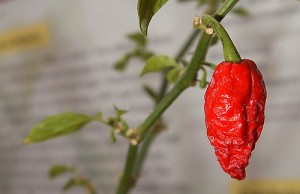
At the moment the Carolina Reaper, a cross between a bhut jolokia pepper and a red habanero, is the world’s hottest pepper, officially.

It is tested to have 2,200,000 SHU at its maximum – 200 times hotter than a jalapeño pepper. It was officially the hottest in 2013, but lost its crown until being tested in 2018 where it was found to be even hotter.

Originally named HP22B (Higher Power, Pot 22, Plant B), the Carolina Reaper is bred for its heat and was originally made by Ed Currie.

The fruit must be handled with gloves and although the main source of heat is the capsaicin glands in this pepper, you should use gloves when handling any part of the fruit.

The same can be said for any products with Carolina Reaper powder on, like the Paqui Chips original One Chip Challenge chip that featured all over Youtube a few years ago.

Trust me, this is not the kind of chili pepper you ever want to get into your eye.


Are There Hotter Peppers Than The Official Hottest Pepper?

There is a rumour that something called Pepper X, also created by Ed Currie (Carolina Reaper breeder) could be hotter than the Carolina Reaper and therefore could be the world’s hottest pepper.

Currie has suggested that the pepper could be double the heat of a Carolina Reaper, but it has not yet been tested and confirmed by the Guinness World Records team as of 2021.

You can read more about Pepper X here.

Another chili rumoured to be hotter than the Carolina Reaper (but not as hot as Pepper X which is 3.18 million SHU) is Dragons Breath.

Dragon’s Breath chili pepper was tested to be 2.48 million Scoville Units but like Pepper X, remains unconfirmed by the Guinness World Records team.


Is It Safe To Eat The Worlds Hottest Pepper?

There are all kinds of unconfirmed rumours about people eating the world’s hottest pepper – the Carolina Reaper – and getting severe, permanent physical damage from their experience.

Some rumours even suggest that people have passed away after eating it.

None of those rumours have been confirmed, but all add to the hype of the world’s hottest pepper.

If you’re thinking of trying it yourself it is important to be aware of the risks. There has been a confirmed case of a person getting severe headaches for a short time after eating a Carolina Reaper.

At the very least you should be aware that eating this pepper is guaranteed to put your body through stress.

At the very least this means stomach pain, pain in your mouth and throat, sweating and watering eyes (plus a very difficult toilet time the next day).

At the most, it isn’t out of the question for you to suffer heart issues because of the capsaicin content, as detailed by this scientific paper.

Growers have suggested that the pepper is safe to eat (in a limited quantity) but realistically, even if you are in fantastic health you should be aware of the risks of eating the worlds hottest pepper.


The Paqui One Chip Challenge 2021

The original Paqui One Chip challenge featured Carolina Reaper pepper powder on one chip which you eat as a challenge.

It was featured on British TV and on pretty much every influencers channel. It was so popular, in fact, you couldn’t buy one of the chips for a long time because they were sold out and everybody wanted to try it.

The 2021 Paqui One Chip Challenge is even more extreme because it features a chip with the Carolina Reaper powder AND Scorpion pepper powder, the world’s second hottest chili at 1.2 million SHU’s.

It’s even more dangerous than eating the Carolina Reaper alone so proceed with caution.


Will You Try The Carolina Reaper?

Whether you try the Carolina Reaper or not, the fact is that the world’s hottest pepper has made a real impact on popular culture.

If you try it yourself, the chances are it will make a real impact on your tastebuds too!

If you do choose to give the hottest pepper in the world a try, please do consider the risks – this little fruit is not something to be messed with!


Soil For Chilli Plants

soil for chilli plants

Although chillies can be grown in many varieties of soil and we have compiled some of the best soil for chilli plants to get your chilli plants grounded and fruiting consistently. soil for chilli plants

Growing Chillies in a pot lets you build and maintain the optimal soil conditions. When is the last time you have seen chillies grown in swamps…NEVER!!

Chillies plants are quite fragile and need good draining soil. The top layer of the soil should be a light but moisture holding mulch. Topping up the mulch every 4 weeks or so will keep the nutrition running through the chillies roots.

To Grow Chilli choose a soil or mulch that is higher in potassium. Chilli plants fruit better when potassium is slowly feeding through the roots and plant. Try to avoid nitrogen as the plants will grow soft leaves and minimal fruit will be produced.

If you really want to make your chillies thrive and fruit well as soon as the plants start growing little flowers place some premium organic soil or fertiliser on top of the pot. If you’re on a budget any multipurpose compost is will help out.


soil for chilli plants

Remember that Growing Chillies requires regular watering, once a day they must be watered to keep the soil moist and the roots nourished. And don’t forget Growing Chillies in sunlight will keep them at optimal health.

Grow Chilli – Peter Peppers

growing-chillies-peter-peppers

You have to see this to believe it. Peter Peppers are a conversational piece to say the least!!!!
The peter pepper chilli pods look like “a man’s private parts”. Hence why they are known as the Penis Pepper and Chili Willy.


This chilli is quite rare and comes from the southern states of Louisiana and Texas.

Peter Peppers are listed as a medium heat on the scoville scale ranking. Peter peppers are 5,000 to 30,000 Scoville Units which is hotter than Tabasco and even more hotter than the Jalapeno.

[ad]

Characteristics of the Peter Pepper Plant
Plant height up to 3 feet
Stem color Green
Leaf color Green
Fruit color at maturity green and red
Fruit shape conical
Fruit length 2-4inches
Fruit width at shoulder 1inch
Fruit surface shaped

Peter peppers seeds can be purchased and grown within 6-7 months. Germination tips, soil tips and all other growing chillies from seed guides are available from growing chillies. As with all chillies they need regular watering and plenty of sun for optimal results.

Willy Peppers Chili Pepper

Peter Peppers are a defiant must for the chilli growing enthusiast. They would make great presents for a fellow gardening enthusiast also. Purchase some peter pepper seeds today and let us know how your plant went.

Check out our great range of chili seeds!!


Worlds Hottest Pepper – Naga Jolokia or Bhut Jolokia

Worlds Hottest Pepper

The worlds hottest pepper is officially the Naga Jolokia also known as Bhut Jolokia. When translated in Hindi this means Ghost Chili which is also another common name.

Worlds Hottest Pepper

The chili hails from Bangladesh but is also found in Sri Lanka and India. The Guinness Book of Records officially named it the worlds hottest Pepper (or chili) in 2007.

To give you a idea on how hot it is, Jalapenos are about 6000 Scoville Scale units, while Tabasco measures in at about 195000 scoville scale units. The Naga Jolokia is a burning 1 million scoville scale units.

This is about 400 times stronger then Tabasco. When eating this chili it BURNS!! then it gets worse. Effects can last up to 30min. Milk can help sooth the burning but will not eliminate it.

Characteristics of the Naga Jolokia or Bhut Jolokia Chili plant

Plant height 45–120 cm
Stem color Green
Leaf color Green
Leaf size 10-14.5cm by 5.5-7.5cm
Leaf width 5.4–7.5 cm
Fruit color at maturity Red
Fruit shape Sub-conical to conical
Fruit length 5–9 cm
Fruit width at shoulder 2.5–3 cm
Fruit weight 6–9 grams
Fruit surface Rough, uneven
Seed color Light tan
Seeds per chili 19–35

This chili is so hot, that in 2009, scientists at India’s Defense Research and Development Organisation (DRDO) announced plans to use the chillies in hand grenades, as a non lethal way to flush out terrorists from their hideouts and to control rioters. It will also be developed into pepper spray as a self defense product.

We would love to hear from you if you have tried this chili or grown it. We hope to obtain some Naga Jolokia/Bhut Jolokia Seeds shortly.

Check out our great range of chili seeds!!

Growing Chili – Bugs and Pests

chili pest control

So, you’ve bought (or saved) your Chili seeds, carefully planted them and provided the optimum growing chili conditions. However danger lurks in every corner of the garden with a whole host of beastly pests and diseases ready to indiscriminately strike down your plants at a moment’s notice. These pests include insects, bacteria, fungi and viruses.

chili pest control

Slugs or Snails

Slugs and snails love to dine on a chili bush. They will nibble away the leaves and minimise the health of your plant. Fortunately slugs and snails are not too hard to prevent or remove.

Hunting down snails and slugs and disposing of them can be a highly satisfying exercise particularly if the little blighters have already struck your prized plants. There is also some chemical solutions for treating your chilli plant from pests. They are listed below.

Aphids

Aphids are the little green creatures you see on your plants. They are very sneaky and camouflage themselves to the stem or leaves and suck the sap from the trees veins. They too are easy to control.

Spraying them with a very diluted soap solution, about one teaspoon of liquid pure soap (as near to 100% fatty acids as you can get – avoid antibacterial, perfumed, & detergent based soaps) to a couple of liters of water.

Chili Plant Pest Control Products

There are various products available for pest control.

Copper is known to repel slugs and snails because it produces a very slight electric charge that they hate. You can purchase copper rings to place around the base of plant pots or can place copper tubing or piping round you raised beds. The slugs and snails can’t stand it so much they avoid crawling over to get to your chilies and will head off elsewhere in search of food. The downside to this is that copper piping or rings can be expensive, however once purchased it should last you for years.

Home Remedies to use are egg shells sprinkled around the base of your plants. Slugs hate crawling over the shells. Another method is to sprinkle used coffee grounds around the base of the plants. This is not only a snail deterrent but it helps add much needed nitrogen to the soil, aiding your pepper plants growth.

Homemade Spray A tried and tested spray made from 100g of fresh garlic, crushed and fermented for 2 days in 2 tablespoons vegetable oil and 2 tablespoons of liquid soap or soap powder. Strain into a garden sprayer and dilute 1 part to 50 parts water. Garlic acts as a repellent to further Aphid attack.

Chemical Control There is a range of chemical treatments that you can get from your local garden center or hardware store. Below is the top control product we have found.


Check out our great range of growing chili products!!

Growing Peppers – Tabasco Pepper

Tabasco Chillies

One of the world’s most recognised chillies is the Tabasco. It’s no doubt that Tabasco is most famous for the sauces that these chillies are made into. This is possible because Tabasco peppers are not dry, the inside of the fruit is wet. Tabasco chilis rate between 30,000 and 50,000 on the scoville scale.

The Tabasco plant is quite distinctive as its very bushy and unlike most chilis the Tabasco fruits grow up rather then hanging down from the stems.

The Tabasco peppers grow to about 4cm and change colour from light yellow and green to orange then eventually ripen at a bright red colour.

Characteristics of the Tabasco bush
Plant height – 4-5 feet
Stem color – Green
Leaf color – Green
Leaf size – medium
Fruit color – light yellow and green to orange and bright red at maturity
Fruit shape – long and conical
Fruit length – 4cm
Fruit width at shoulder .5 cm
Fruit surface smooth

Tabasco Planting tips

Tabasco chillis like most other chillies grow best in warmer weather. People in colder climates should plant the seeds indoors in a warm spot during the winter month. The seeds will germinate and start to grow. When the winter is over the plants can be moved outside ready for the spring and summer months.

When potting Tabasco plants make sure that there is good water drainage. They also like sandy soil conditions so don’t be afraid to add in some sand.

Regular watering is required and if ensure the Tabasco plant has good sunlight and daily watering you should see fruits appear in about 120 days.

Once you have some Tabasco chillies try to make some Tabasco sauce. A simple recipe is provided.

[ad]

Homemade Tabasco Sauce

Ingredients:
1 pound fresh red Tabasco peppers, chopped
2 cups distilled white vinegar
2 teaspoons salt
1 clove garlic (optional)
Directions:
Combine the chiles, garlic and the vinegar in a saucepan and heat. Stir in the salt and simmer for 5 minutes. Remove from the heat, cool, and place in a blender. Puree until smooth and place in a glass jar. Allow to steep for 2 weeks in the refrigerator. Remove, strain the sauce, and adjust the consistency by adding more vinegar if necessary.

Check out our great range of chili seeds!!

Growing Pepper – Habanero Chili

Habanero Chilis

The Habanero chili is one of the worlds hottest peppers!!! The chili’s name  derived from the name of the Cuban city of La Habana, which is known as Havana in English. Although it is not the place of origin, it was frequently traded there. Mexico is the largest consumer of this spicy ingredient but its flavor and aroma have become increasingly popular all over the world.

The Habanero chili most likely originated in the Yucatán Peninsula of Mexico and even to this day the crop is most widely cultivated there. In fact about 1,500 tons of Habaneros are harvested each year in Mexico. Panama, Costa Rice and several states in the USA also grow and produce the chilly. It is often mistakenly referred to as the hottest pepper in the world and once upon a time it was until the mighty Bhut Jolokia came along! Habanero chili peppers are rated 200,000–350,000 on the Scoville scale.


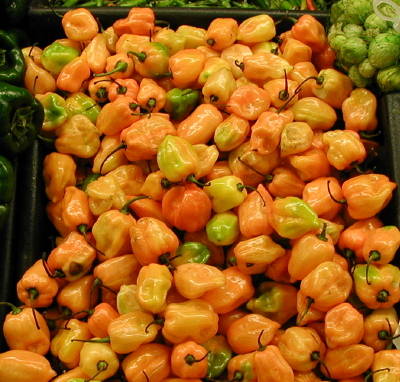
A ripe habanero is 2–6 centimetres (0.8–2.4 in) long, 3-5cm (1 to 2 inches) in diameter and they are lantern-shaped, round or oblong. Habanero’s are green until maturity when they then turn to colours such as orange, red, white, brown, and pink.

Habaneros are similar to most other chilies and thrive in hot weather. Morning sun is ideal with slightly moist soil. In tropical regions the Habanero is one growing chilli that can produce all year round. Colder climates the plant will die off in the winter.

The Habanero’s heat, its fruity citrus-like flavor, and its floral aroma have made it a popular ingredient in hot sauces and spicy foods. In some cases, particularly in Mexico, Habaneros are placed in tequila bottles for a period ranging from several days, to several weeks, to make a spiced version of the drink.

Check out our great range of chili seeds!!

Chilli Plant Care: 7 Huge Mistakes To Avoid When Growing Chillies

chilli plant care

Chilli pepper plants produce yummy, spicy fruits that can be used in all kinds of delicious recipes. chilli plant care

That is, however, only if you get chilli plant care right and grow healthy, strong plants that produce fruit.

Unfortunately, many mistakes can scupper even the most dedicated gardeners’ chilli growing plans.

From diseases, to pest damage, stunted growth and more, there are many issues people run into when growing chilli plants.

To help you produce delicious chilli fruits on healthy, happy plants, here are 7 huge mistakes to avoid when growing chillies:


1.   Using Compost With The Wrong Amount Of Nutrients

Good chilli plant care involves growing your chillies in a good-quality compost once you pot them up, as shown in this video.

However, a common mistake is assuming that compost contains everything your chilli plant needs to thrive. If your plant is growing well, the chances are it does have everything it needs to thrive.

If you’re seeing any issues with the plant, it could be the soil. Here are some common signs the compost needs adjusting:

  • Low Potassium – any new leaves come through with yellow edges
  • Low Manganese – older leaves show yellow spots and holes (potentially in newer growth as well)
  • Low Nitrogen – older leaves start yellowing and the yellow spreads up the plant eventually
  • Low Iron – yellow patches start showing between the veins of the leaf
  • Low Calcium – new leaves have a crinkled look
  • Low Phosphorus – Older leaves go really dark, or even purple and the damage spreads up the plant
  • Low Magnesium – yellowing older leaves starting from the tips and moving inwards

Once you have identified the deficiency (and ensured the problem is not a pest or disease) you can add nutrients to the soil accordingly.

2.   Reacting Rather Than Preventing

There is a lot of chilli plant care advice that works on the idea of reacting, rather than preventing common issues. This is a mistake, as often prevention is better than cure. Lots of simple precautions taken when growing chillies prevents a multitude of issues.

Here are some preventative tips to follow when growing chillies:

  • Keep plants with plenty of space between them (two foot if grown in a bed) or one to a pot so that there is lots of airflow between plants
  • Always ensure plants dry between watering
  • Ensure your watering regime is regular, so plants don’t get stressed
  • Water plants in the morning or evening to avoid leaf burn
  • Keep your plants growing in a stable temperature
  • Trim your plants to encourage plenty of airflow & good fruit growth

3.   Assuming The Plants Will Be Pollinated

If you grow your plants outdoors, the pollination aspect of your chilli plant care is usually minimal. Hopefully pollinating insects will do their job and ensure you get plenty of chillies growing.

However, if your plants grow inside or pollination is an issue, you will have to lend a helping hand. You can do this by gently tapping the flowers everyday, or using a paintbrush or makeup brush to spread the pollen from flower to flower, just like a bee would.

4.   Over Fertilising

With chilli plant care, over fertilising is a common issue. Gardeners can get a bit overzealous with the fertiliser, which then damages the plant. When you’re growing chillies, you actually need to only fertilise your chilli pepper plants twice.

Once when you apply the compost for them to grow after moving juvenile plants into their permanent growing position. If the compost is full of the right nutrients, you only then have to apply fertiliser again when the plants have started to form peppers.

5.   Shallow Watering

Gardeners can water a little everyday, leaving the soil moist and the plant never getting a proper drenching, which can lead to plant disease, stress and stunted growth.

For the best chilli plant care you have to water deeply, regularly and when the soil has dried out to the first two inches of your finger.

6.   Lack Of Drainage

If the water cannot drain out of your pepper plants well enough you may get root rot, which will eventually kill the plant. Any salts and unwanted nutrients may also not be able to rinse out of the plant, which could also be a problem.

To avoid this and maintain good chilli plant care you simply need to ensure that water can rinse through the soil well by adding some horticultural grit to the compost, ensuring the drainage hole is blocked and making sure the trays they sit in are regularly emptied.

7.   Ignoring Pest Issues Before It Is Too Late

If your chilli plant care seems to be going well everyday, you may not necessarily do a deeper check of your plants until you see a reason to act. Unfortunately, by the time there are signs of pest issues it can be too late.

If you can, use a magnifying glass or a loupe to spot check your growing chillies and the plants they are on once a week. Check for eggs, living animals, webbing and dirt. If you are unfamiliar with the kind of pests seen most commonly on chilli plants, you can learn more about them in this handy article.

Spotting these pests early means you can treat your plants with safe pesticides before they take hold and scupper your chilli plant care.

“To forget how to dig the earth and tend to the soil is to forget ourselves.” – Mahatma Gandhi

The 7 common mistakes with chilli plant care above can be easily avoided with some quick adjustments to your chilli plant care regime and habits.

With the right adjustments, you’ll be growing chillies well this season, for delicious, spicy fruits to use in all kinds of wonderful recipes in your home kitchen.